Upholstery Cleaning in N10: Local Care for Sofas, Chairs, and Fabric Furniture
If you are looking for Upholstery Cleaning in N10, you probably want more than a quick surface clean. You want furniture that feels fresh, looks cared for, and fits comfortably into your home or business again. In a busy area like N10, where family homes, flats, shared houses, cafés, offices, and consulting spaces all see daily use, upholstered furniture can pick up dust, spills, pet hair, odours, and everyday wear faster than most people expect. A proper upholstery clean can make a real difference to how a room feels and how long your furniture lasts.
Local customers in N10 often contact a cleaning service because a sofa has started to look dull, dining chairs have gathered marks, or a favourite armchair has picked up an odour that normal vacuuming cannot remove. Others are preparing for guests, moving out, refreshing a rental property, or trying to improve the look of a reception area. Whatever the reason, the right fabric cleaning service should be practical, careful, and suited to the type of upholstery you own.
Professional upholstery cleaning is not just about appearance. It can help reduce the build-up of dust and allergens, lift embedded soil from fibres, and improve the overall hygiene of your furniture. For households with children, pets, or anyone sensitive to dust, that can matter a lot. For businesses in N10, cleaner seating can create a better first impression and make the space feel more professional and comfortable.
Why upholstery cleaning matters in N10
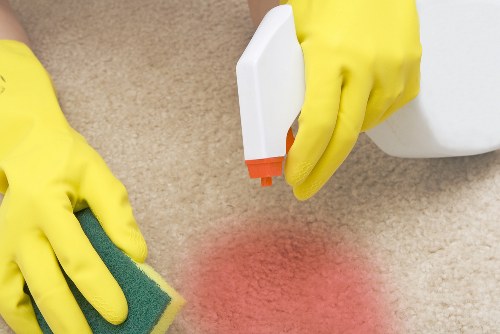
N10 covers a mix of property types and lifestyles, which means upholstered furniture gets used in very different ways. In larger homes near open green spaces, sofas and soft furnishings may face muddy shoes, pet fur, and family traffic. In smaller flats and converted properties, furniture may be used more intensively because every piece has to work hard. In commercial spaces, sofas and chairs often need to stay presentable throughout the day for staff, visitors, or clients.
Daily use leaves behind more than visible dirt. Body oils, crumbs, drink marks, pet dander, and fine dust can settle deep into fabric and under cushions. Even when a sofa looks “fine” from a distance, the fibres may be holding onto residue that affects smell, texture, and cleanliness. That is why local upholstery cleaning is often requested before hosting events, after tenancy changes, or as part of seasonal home care.
Many people also choose professional fabric cleaning because it helps protect their investment. Sofas, dining chairs, corner units, and upholstered headboards are not cheap to replace. Regular care can help delay fading, flattening, and premature wear. When a trained cleaner uses the right methods for the material, the result is usually a fresher finish without the risk of over-wetting or damaging the fabric.
What upholstery cleaning can help with

A good upholstery cleaning service should be tailored to the condition of the item and the fabric type. It is not a one-size-fits-all job. Some materials need a low-moisture approach, while others benefit from deeper extraction cleaning. In either case, the aim is to remove dirt safely and improve the look and feel of the furniture.
Common issues upholstery cleaning can address include:
- Surface dust and embedded dirt
- Food and drink spills
- Pet hair and pet-related odours
- Daily body oils and general grime
- Light staining from regular use
- Unpleasant smells trapped in fibres
- Flattened or tired-looking seating areas
In many homes, the furniture most in need of attention is the sofa, followed by armchairs, dining chairs, footstools, and upholstered headboards. Commercial customers may also need waiting-room seating, office chairs, banquettes, and reception furniture cleaned. The exact process depends on the material, the staining, and how heavily the item is used.
If you are unsure whether a fabric can be cleaned safely, a professional assessment is essential. Different textiles respond differently to water, heat, and cleaning solutions. A reliable local service should inspect the material before starting and choose a method that suits the upholstery rather than forcing the same approach onto every piece.
Types of upholstery we clean

Homes and businesses across N10 contain many different kinds of upholstered furniture. A skilled cleaner should be comfortable working on a variety of items and fabrics, from everyday family sofas to more delicate pieces that need extra care. The aim is always to clean thoroughly while respecting the material and the furniture’s construction.
Typical items include:
- Fabric sofas and corner sofas
- Armchairs and recliners
- Dining and kitchen chairs
- Office chairs and visitor seating
- Footstools and ottomans
- Upholstered headboards
- Banquettes and booth seating
- Occasional chairs and accent chairs
Material types can include cotton blends, polyester fabrics, velvet-style upholstery, microfibre, woven textiles, and other common soft furnishings. Each material may need a different combination of pre-treatment, agitation, and extraction or low-moisture cleaning. A trustworthy service will not rush this part. It will identify the fabric first, then explain the best way forward in plain language.
For local customers, this is particularly useful because older homes, rental properties, and modern apartment buildings can each have different furniture styles and access needs. A cleaner working in N10 should be prepared to handle tight stairwells, limited parking, and furniture that needs careful moving without damage to walls, flooring, or shared areas.
How the cleaning process usually works
When arranging Upholstery Cleaning in N10, many customers want to know exactly what happens on the day. A professional service should follow a structured process that keeps the work efficient, safe, and focused on the result you want. Although the details can vary depending on the item, most appointments follow a similar sequence.
First, the cleaner inspects the upholstery. This includes checking the fabric type, looking for existing wear, reviewing problem areas, and discussing any stains, odours, or marks that need special attention. This step matters because it helps avoid unsuitable cleaning methods and sets realistic expectations about what can be improved.
Next, the furniture is usually vacuumed thoroughly to remove loose debris, crumbs, pet hair, and dust from the surface and crevices. Where appropriate, a pre-treatment solution may be applied to break down grime or target specific stains. This is often followed by gentle agitation, which helps the product work into the fibres without being harsh on the material.
Cleaning methods that may be used
Depending on the upholstery and the condition of the item, the service may involve hot water extraction, low-moisture cleaning, or specialist spot treatment. Hot water extraction is often suitable for many fabric items because it can lift dirt from deeper in the fibres and then remove it through powerful extraction. Low-moisture methods may be preferred for delicate fabrics, quicker drying needs, or materials that should not be saturated.
After cleaning, the technician may work on remaining spots, adjust treatment in specific areas, and inspect the results. Drying time depends on the fabric, airflow, and the cleaning method used. Good ventilation and sensible aftercare can help the upholstery dry efficiently and keep the fresh finish looking its best.
What a careful upholstery clean usually includes:
- Fabric inspection and fibre assessment
- Vacuuming and surface debris removal
- Pre-treatment of stains and high-traffic areas
- Appropriate cleaning method for the fabric
- Focused treatment of problem spots where possible
- Final check and practical aftercare advice
Every item is different, and the right cleaning method depends on the upholstery itself. That is why local experience is valuable: it helps the cleaner adapt to different furniture, room layouts, and customer needs rather than treating every job the same way.
What is included in a local upholstery cleaning service
A well-organised upholstery cleaning appointment should feel straightforward for the customer. You are not just paying for equipment; you are paying for time, care, product knowledge, and a method that fits the item. While each provider may structure the job differently, customers usually expect a service to cover the key stages needed for a proper result.
Typical inclusions can cover:
- Initial assessment of the furniture and fabric type
- Discussion of areas of concern, such as stains or odours
- Vacuuming to remove loose dirt and debris
- Pre-treatment where suitable
- Cleaning of the main upholstered areas
- Attention to high-use zones such as arms, seat bases, and cushions
- Light spot work on common marks, where possible
- Advice on drying and aftercare
Some jobs may also include cushion cleaning, moving light furniture where it is safe to do so, or working around delicate fixtures and layouts. In a local area like N10, that flexibility matters. Flats may have limited space for equipment, while larger houses may need more time spent on multiple seating areas or a combination of furniture types.
It is also useful to ask whether the service can help with freshening up items before an event, after pet accidents, or during a tenancy change. Many customers do not need a full refurbishment; they simply want their furniture to look and smell cleaner, feel more comfortable, and present better in daily use.
Why choosing a local N10 cleaner is practical
There are real advantages to using a team that regularly works in N10 and the surrounding area. A local cleaner is more likely to understand common access challenges, typical parking situations, and the variety of homes and workplaces found nearby. This can make the appointment smoother from the moment it is booked.
For example, some properties in the area may have narrow staircases, limited lift access, or restricted parking close to the entrance. Larger furniture may need careful planning to move safely, or the cleaning may need to be carried out room by room. A local service is often better placed to plan around these realities without causing unnecessary disruption.
Local experience can also matter when dealing with the kinds of furniture commonly found in the area. Family homes may have well-used fabric sofas and dining chairs that need freshening up. Flats and apartment buildings may use compact furniture that has to look smart and stay clean for everyday living. Commercial spaces may need seating cleaned outside opening hours or in a way that respects staff and visitor movement. A nearby team is more likely to be flexible and responsive to those needs.
Local relevance: homes, rentals, and businesses in N10
N10 includes a mix of residential and commercial customers, and the cleaning approach should suit the setting. Private homes often need upholstery cleaning for sofas, chairs, headboards, and soft furnishings in living rooms, bedrooms, and dining spaces. Rental properties may require a practical refresh between tenancies or before inventory checks, especially if furniture has been left in place for long periods.
In family homes, common reasons for booking are spills, pet hair, and general wear from everyday use. In shared homes or flats, furniture may be used heavily by several people, meaning dirt and odours build up more quickly. In offices, salons, clinics, waiting areas, and other customer-facing environments, clean seating helps support a more professional and welcoming atmosphere.
Nearby areas also benefit from the same type of service, especially where similar property layouts and access issues are common. Customers in and around N10 often want a cleaner who can arrive prepared, work efficiently, and understand the demands of local living. That can include working carefully in shared hallways, avoiding disruption in busy households, and adapting to compact urban spaces.
Preparing for upholstery cleaning
A little preparation can help your appointment run smoothly and make it easier for the cleaner to work effectively. You do not need to overdo it, but a few simple steps can save time and improve access to the furniture being cleaned.
Before the appointment, it helps to:
- Clear small items, cushions, and throws from the furniture if possible
- Move breakables or valuables away from the work area
- Ensure there is reasonable access to the room
- Point out any stains, odours, or damaged areas you want checked
- Let the cleaner know about pets, parking restrictions, or building access issues
- Share any concerns about delicate fabric or previous cleaning attempts
If the furniture is in a tight room or upstairs, it is sensible to mention that when you enquire. This helps the cleaner prepare the right equipment and allow enough time. In shared buildings, access details can matter as well, especially where lift use, timed entry, or parking arrangements may affect the visit.
Customers often appreciate a service that gives clear advice on what to do before the visit and what drying care to expect afterward. Simple guidance can help the upholstery dry evenly and reduce the chance of new marks forming while the fibres are still damp.
Pricing factors to expect
People often ask what affects the cost of upholstery cleaning. Exact prices vary from one job to another, and it is usually more helpful to understand the main factors that influence the quote. This allows you to compare services fairly and avoid surprises later.
Common pricing factors include:
- Number of items being cleaned
- Size of the furniture
- Fabric type and cleaning difficulty
- Condition of the upholstery and level of soiling
- Whether stain treatment or odour treatment is needed
- Access challenges, such as stairs or limited parking
- Whether the job is domestic or commercial
A sensible quote should reflect the actual work required. A large family sofa with heavy wear will naturally need more time and treatment than a lightly used dining chair. Similarly, an office waiting area with several seats may involve a different setup than a single armchair in a flat. A good local company will explain the factors clearly rather than leaving you guessing.
When requesting a quote, it is helpful to describe the furniture accurately, including the number of seats, the type of fabric if known, and any obvious stains or smell issues. If you are unsure, photographs can sometimes help the cleaner assess the job before visiting. That keeps the process efficient and more accurate.
Benefits of regular upholstery care
Many customers think of upholstery cleaning only when a sofa or chair starts to look bad. In reality, regular care can help keep furniture in better condition for longer. Even if your upholstery does not appear heavily soiled, periodic cleaning may reduce the gradual build-up of dust and residue that can make fabric look tired.
Regular cleaning can help with:
- Keeping furniture looking fresher for longer
- Reducing surface and embedded dirt
- Improving indoor freshness
- Supporting a cleaner environment for family life
- Maintaining a better impression in customer-facing spaces
- Protecting upholstery from unnecessary wear caused by dirt build-up
For households with pets or children, regular fabric care can be especially useful. For commercial customers, scheduled cleaning can help seating remain presentable and more comfortable for staff and visitors. In both cases, it is a practical way to look after furniture you use every day.
When to book a clean
You may want to arrange upholstery cleaning if you notice visible marks, a stale smell, darker traffic areas on seat cushions, or a general loss of freshness. It can also be worth booking before a family gathering, after a tenancy change, or when preparing a business space for a busy period. If the furniture is an important part of the room, keeping it clean will make the whole space feel more cared for.
Commercial upholstery cleaning in N10
Businesses in N10 often need upholstery cleaned in a way that is efficient and discreet. Waiting room seating, office chairs, client lounge furniture, and reception pieces all contribute to the impression people form when they walk in. Clean seating tells visitors that the space is looked after and helps staff work in a more pleasant environment.
Commercial customers may also need cleaning outside normal hours or in stages to avoid disrupting operations. That is why a local company familiar with the area can be helpful. It can work around business schedules, building access, and the need to keep the space usable wherever possible. Contact us today if your business seating needs a fresh, professional finish.
Areas covered around N10
Upholstery cleaning is often arranged across N10 and nearby parts of North London. Customers commonly ask for help in surrounding residential streets, apartment blocks, and commercial premises where furniture sees regular use. If you are based in or near the area and need a local fabric cleaning service, a nearby team can usually offer a more convenient appointment and a smoother visit.
That local reach is useful for households, landlords, tenants, and businesses alike. It means less waiting, easier access planning, and a service that is already familiar with the kinds of properties and furniture styles found in the neighbourhood. Book your service now if you want a cleaner, fresher result without the stress of handling the job yourself.
Frequently asked questions
Can all upholstery be cleaned?
Most fabric upholstery can be cleaned, but the right method depends on the material and the item’s condition. Some fabrics need a gentle approach, and a professional should inspect the item before starting.
How long does upholstery take to dry?
Drying time varies based on the fabric, room temperature, airflow, and cleaning method. Low-moisture cleaning can dry faster, while deeper cleaning may take longer. Your cleaner should give practical aftercare advice.
Will stains always come out completely?
Not always. Many stains can be improved significantly, but results depend on the type of stain, how long it has been there, and the fabric involved. A good cleaner should explain what is realistic before treatment.
Is upholstery cleaning suitable for homes with pets?
Yes. In fact, many customers book because of pet hair, odours, or occasional accidents. The cleaner can target these issues using suitable pre-treatment and cleaning methods.
Do you clean commercial seating as well as domestic furniture?
Yes, upholstery cleaning is useful for both homes and businesses. Offices, waiting areas, and customer-facing spaces often benefit from regular cleaning to keep seating fresh and presentable.
Should I vacuum before the cleaner arrives?
It is helpful if the furniture is clear and accessible, but you do not need to overprepare. The technician will usually carry out a thorough vacuuming as part of the service.
What if my furniture has already been cleaned before?
That is not a problem. The cleaner can assess what has already been done and choose a suitable approach based on the current condition of the upholstery.
Ready to arrange upholstery cleaning in N10?
If your sofa, armchair, or office seating needs a fresh start, a local upholstery cleaning service can help restore a cleaner, more comfortable finish. Whether you are dealing with spills, pet marks, odours, or just everyday wear, the right treatment can make a noticeable difference to the way your space looks and feels.
For homeowners, landlords, tenants, and businesses, the key is choosing a service that understands the local area, works carefully with different fabrics, and explains the process clearly. That is especially important in N10, where access, parking, and property layouts can vary from one job to the next.
Request a free quote today, and if you are ready to refresh your furniture, contact us today to discuss your upholstery cleaning needs in N10. A cleaner, fresher room may be closer than you think.